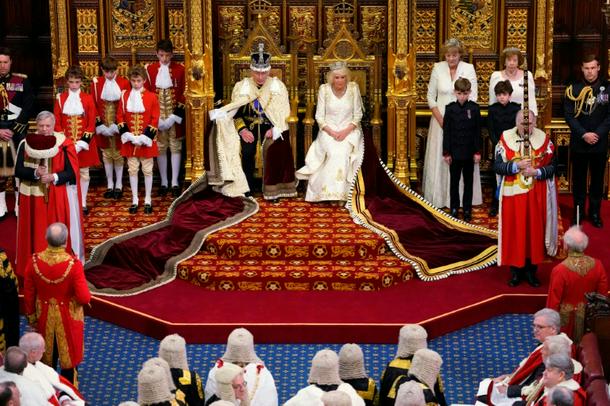
As head of state, King Charles III reads out his government's legislative programme
London (AFP) - King Charles III will on Wednesday outline UK leader Keir Starmer’s legislative plans, during a pomp-filled ceremony that could have huge repercussions for the embattled prime minister’s future.
Starmer, fighting to face down a revolt within his ruling Labour Party, has promised his government will be “better” and bolder to assuage disgruntled voters impatient for change.
That pledge will be put to the test in Wednesday’s address in parliament which Downing Street said will unveil an “ambitious programme” to make Britain a “stronger, fairer” country.
It is the latest crunch moment in Starmer’s 22-month premiership and comes after Labour descended into open warfare over the prime minister’s fate following the party’s heavy defeats in local and regional elections.
Four junior ministers resigned and the number of MPs urging Starmer to quit passed 80, but more than 100 others signed a statement urging colleagues to back him.
As head of state, King Charles III reads out his government's legislative programme
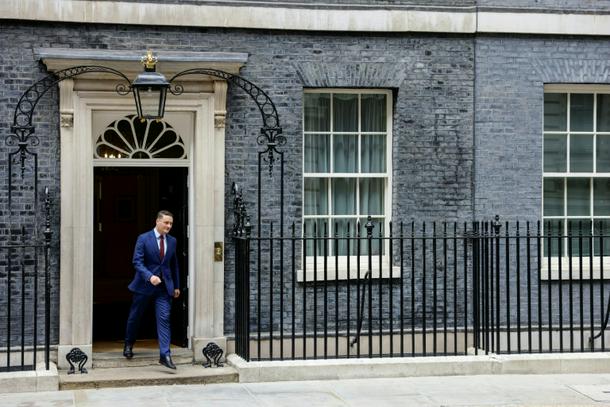
On Wednesday, health minister Wes Streeting met Starmer at Downing Street, as speculation swirled over whether he could launch a leadership bid. The meeting, billed as a “showdown” by British media, lasted less than 20 minutes and he left without commenting.
Streeting is popular on the right of Labour, while a would-be challenger on the left could be former deputy prime minister Angela Rayner.
- ‘Pivotal moment’ -
Another much-touted contender, Andy Burnham, the mayor of Greater Manchester in northwest England, is unable to stand currently as he is not an MP.
His supporters want Starmer to lay out a timetable for his departure that allows Burnham to return to parliament and stand.
Under party rules, any challenger would need the support of 81 Labour MPs – 20 percent of the party in parliament – to trigger a leadership contest. Starmer has vowed to fight any challenge.
Trade unions that support Labour and have a say in decision-making on Wednesday rejected Starmer, issuing a statement saying “it’s clear that the prime minister will not lead Labour into the next election” and a plan must be made to elect a new leader.
Several senior ministers rallied around the Labour premier: Deputy Prime Minister David Lammy urged lawmakers to “step back and take a breath”, while a spokesman for interior minister Shabana Mahmood denied rumours that she was resigning.
“Britain stands at a pivotal moment,” Starmer, who in July 2024 became the UK’s sixth prime minister in eight years, said late Tuesday ahead of the King’s Speech.
“To press ahead with a plan to build a stronger, fairer country or turn back to the chaos and instability of the past.”
- Black Rod -
Despite its name, the King’s Speech is not written by the monarch but by the government, which uses it to detail the laws it proposes over the next 12 months.
Downing Street said the address will include more than 35 bills “to bolster economic, energy, (and) national security.
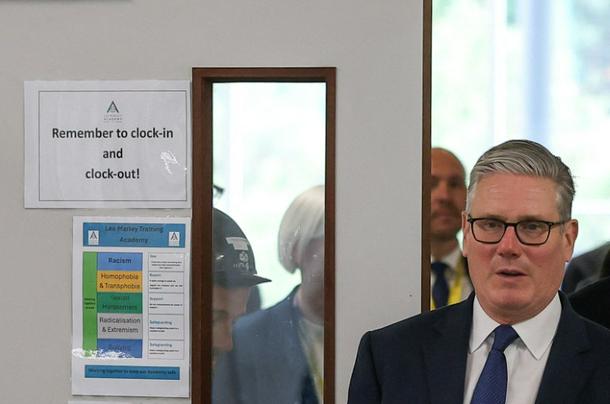
Keir Starmer has been UK prime minister since July 2024
They will include proposals to fully nationalise British Steel and deepen Britain’s relationship with the European Union.
King Charles will deliver the proposals from a golden throne in the House of Lords upper chamber while wearing the diamond-studded Imperial State Crown and a long crimson robe.
The day’s proceedings start when royal bodyguards ritually search the basement of the Palace of Westminster for explosives – a legacy of the failed attempt by Catholics to blow up parliament in the 1605 Gunpowder plot.
The sovereign will then travel to the Houses of Parliament by carriage from Buckingham Palace, escorted by mounted cavalry.
Tradition dictates that an MP is ceremonially held “hostage” in the palace to ensure the king’s safe return.
A parliamentary official known as Black Rod will have the door of the lower chamber House of Commons slammed in their face, a tradition that symbolises parliament’s independence from the monarchy.
MPs will follow Black Rod to the upper chamber, where Charles will give the speech to assembled lords and ladies in red and ermine robes, plus invited members of the elected Commons at around 11:30 am (1030 GMT).